Archives
- 2026-07
- 2026-06
- 2026-05
- 2026-04
- 2026-03
- 2026-02
- 2026-01
- 2025-12
- 2025-11
- 2025-10
- 2025-09
- 2025-03
- 2025-02
- 2025-01
- 2024-12
- 2024-11
- 2024-10
- 2024-09
- 2024-08
- 2024-07
- 2024-06
- 2024-05
- 2024-04
- 2024-03
- 2024-02
- 2024-01
- 2023-12
- 2023-11
- 2023-10
- 2023-09
- 2023-08
- 2023-07
- 2023-06
- 2023-05
- 2023-04
- 2023-03
- 2023-02
- 2023-01
- 2022-12
- 2022-11
- 2022-10
- 2022-09
- 2022-08
- 2022-07
- 2022-06
- 2022-05
- 2022-04
- 2022-03
- 2022-02
- 2022-01
- 2021-12
- 2021-11
- 2021-10
- 2021-09
- 2021-08
- 2021-07
- 2021-06
- 2021-05
- 2021-04
- 2021-03
- 2021-02
- 2021-01
- 2020-12
- 2020-11
- 2020-10
- 2020-09
- 2020-08
- 2020-07
- 2020-06
- 2020-05
- 2020-04
- 2020-03
- 2020-02
- 2020-01
- 2019-12
- 2019-11
- 2019-10
- 2019-09
- 2019-08
- 2019-07
- 2019-06
- 2018-07
-
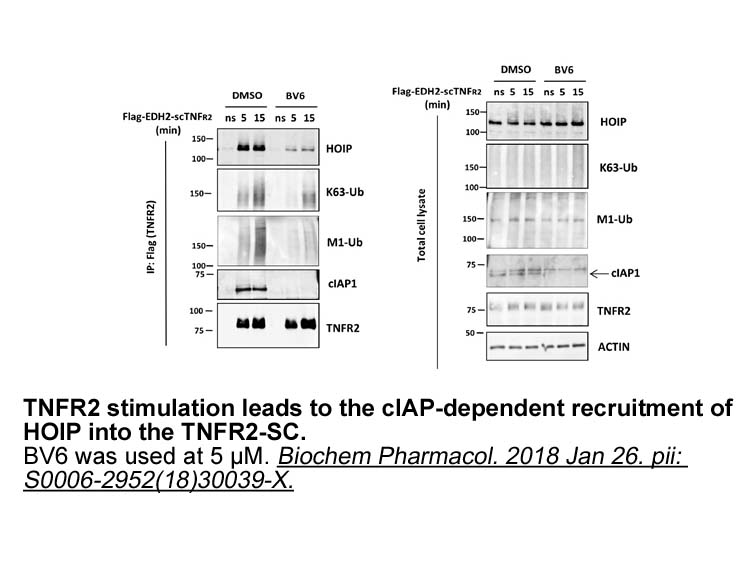
HOIP s ability to build linear
2020-12-04
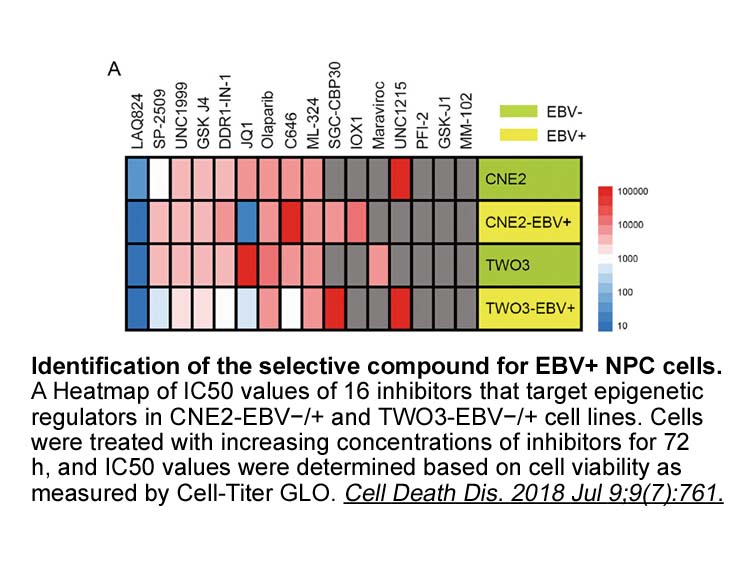
HOIP's ability to build linear Ub chains arises from a unique domain that follows directly after the RING2 domain, the linear ubiquitin chain-determining domain (LDD) (Fig. 1). Structures have revealed that the LDD is structurally integrated into RING2, creating a single RING2–LDD unit (Fig. 2D) [40
-
br Materials and Methods br Acknowledgements
2020-12-03
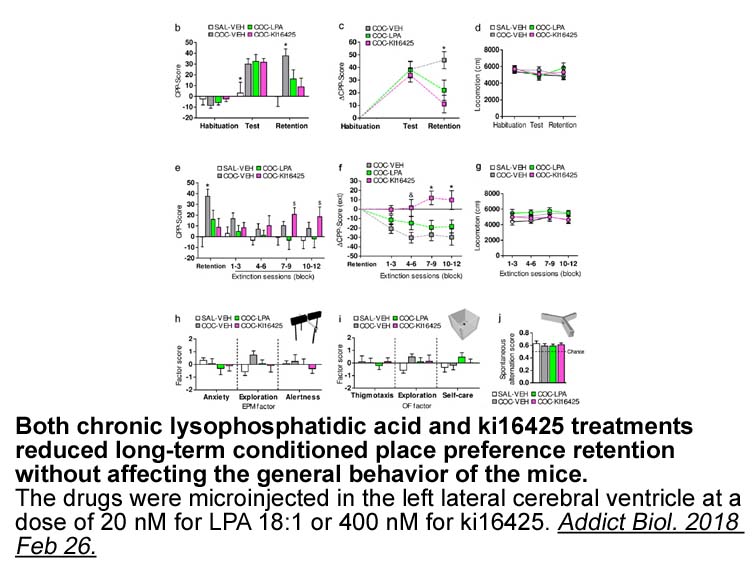
Materials and Methods Acknowledgements We thank the staff of beamlines ID29 and ID30A-1 of the European Synchrotron Radiation Facility. This work was supported by, the Marie Curie Career Integration Grant (PCIG13-GA-2013-630755), the Israel Science Foundation (Grant 1383/17) and the Israeli Ca
-
Acknowledgments We are grateful to Dr Jean Marie Bernassau f
2020-12-03

Acknowledgments We are grateful to Dr. Jean-Marie Bernassau for his leadership in establishing our virtual screening platform and Dr. Julie Bick for protein purification. X-ray data collection for compound 4 was performed by Shamrock Structures at Southeast Regional Collaborative Access Team (SER-C
-
Beyond phosphorylation cancer cells may alter
2020-12-03
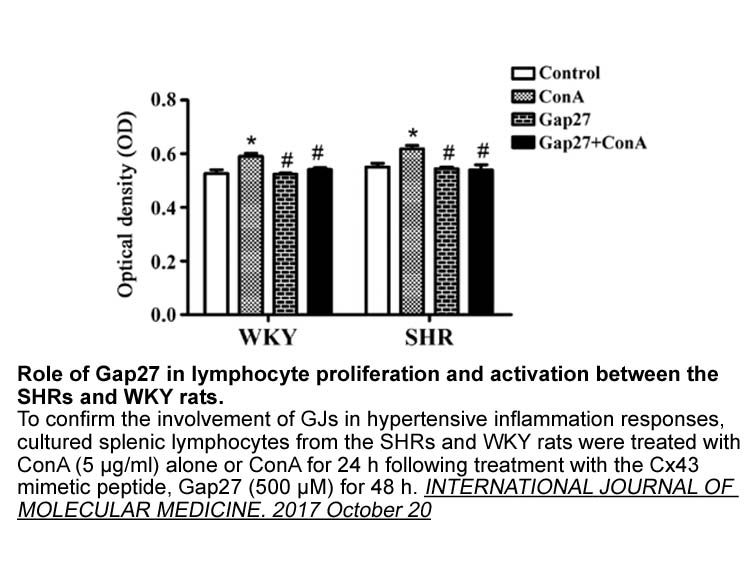
Beyond phosphorylation, cancer Madecassic acid may alter pyrimidine biosynthesis through the activation of the proto-oncogenic transcription factor MYC. MYC is a master regulator of many different pathways and has significant influence on the expression of nucleotide metabolism genes. Previous stud
-
Our current understanding of nucleotide metabolism in has
2020-12-03
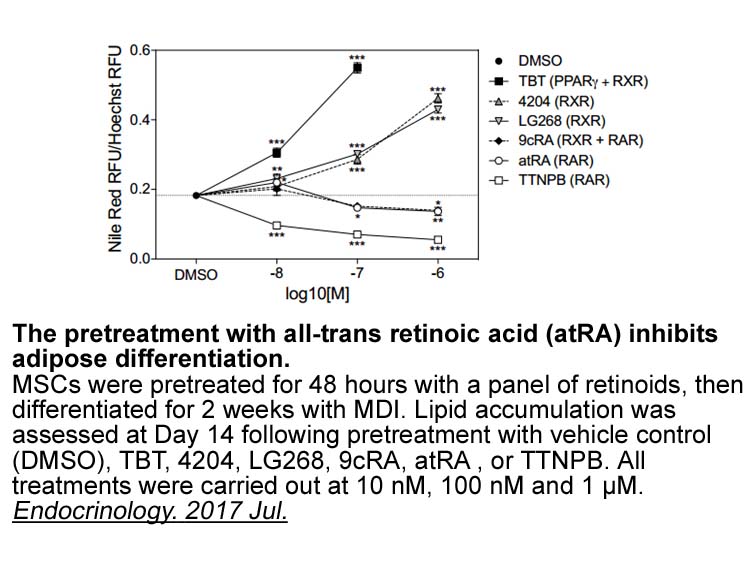
Our current understanding of nucleotide metabolism in has made it possible to identify numerous proteins which serve essential roles in the life cycle of the parasite. One such protein is thymidylate synthase-dihydrofolate reductase (TS-DHFR), a bifunctional enzyme which is necessary for the produc
-
br Materials and methods br Acknowledgments
2020-12-03
Materials and methods Acknowledgments This research was supported by funding from University of California Irvine to H.U.B. Introduction Oral squamous cell carcinoma (OSCC) is the fourth major cause of mortality among men in Taiwan and its incidence rates continue to rise annually. OSCC is
-
The CYP D inferred metabolizer phenotype describes
2020-12-02

The CYP2D6-inferred metabolizer phenotype describes only one phase of the tramadol (T) ADME (absorption, distribution, metabolism, and excretion) and response process and does not explain all genotypic contribution of an individual’s phenotypic expression [11]. Numerous polymorphisms in the downstre
-
Through the process of alternative
2020-12-02
Through the process of alternative splicing, the IKZF1 gene is capable of encoding a large number of Ikaros isoforms (Molnar et al., 1996). Some of these isoforms were shown to have distinct functions (Li et al., 2011, Ronni et al., 2007). Ikaros protein contains four zinc fingers at the N-terminus
-
br Materials and methods br Results and discussion
2020-12-02
Materials and methods Results and discussion Conclusions In this study, we have investigated the possibility that hierarchical phosphorylation by CK2 may play a role in cellular signal transduction. Hierarchical phosphorylation by CK2 requires multiple consensus determinants with specific s
-
br Methods br Results br Discussion Literature
2020-12-02
Methods Results Discussion Literature showed SN was well studied for its antigastric ulcer, antiinflammatory, antihyperglycemic, and antihyperlipidemic properties. Although a recent publication reported that SN was found to exert its regulatory effect in animal cholesterol levels, the exact
-
Early studies from the mollusk Aplysia reported the presence
2020-12-02
Early studies from the mollusk, Aplysia, reported the presence of a unique class of mmae receptors in neurons, the acetylcholine-gated chloride channels (ACCs) (Kehoe and McIntosh, 1998). Later, studies identified these receptors in the model nematode Caenorhabditis elegans (Putrenko et al., 2005;
-
br Materials and methods br Results br Discussion
2020-12-02
Materials and methods Results Discussion The main finding of the present study is that selective ETA and dual ETA/ETB receptor blockade markedly improve endothelium-dependent vasodilatation in patients with type 2 diabetes and vascular complications. The magnitude of improvement did not dif
-
It is very important to decide what the best
2020-12-02
It is very important to decide what the best time of NIR laser irradiation is for the optimized PTT. So the best way is to monitor the biodistribution of the nanoparticles in various tissues (specially, in tumors) temporally and spatially after iv injection. Based on the combined functions of therap
-
Considering these reports and with the aim of further invest
2020-12-02
Considering these reports, and with the aim of further investigating the mechanism by which the cAMP-Epac/PKA pathway activates eNOS, we have performed imaging experiments evaluating the effect of drugs that increase cAMP or modify its signalling pathways (PKA or Epac activators and inhibitors) on b
-
Previously we showed that MS a combined extract
2020-12-02
Previously, we showed that MS-10, a combined extract of Cirsium japonicum var. Maackii (Maxim.) Matsum. (Korean milk thistle) and Thymus vulgaris L., increases the efficiency of estrogen in the estrogen-deficient state by activating the estrogen receptor (ER). MS-10 increased bone mineral density (B
15726 records 797/1049 page Previous Next First page 上5页 796797798799800 下5页 Last page