Archives
- 2026-10
- 2026-09
- 2026-08
- 2026-07
- 2026-06
- 2026-05
- 2026-04
- 2026-03
- 2026-02
- 2026-01
- 2025-12
- 2025-11
- 2025-10
- 2025-09
- 2025-03
- 2025-02
- 2025-01
- 2024-12
- 2024-11
- 2024-10
- 2024-09
- 2024-08
- 2024-07
- 2024-06
- 2024-05
- 2024-04
- 2024-03
- 2024-02
- 2024-01
- 2023-12
- 2023-11
- 2023-10
- 2023-09
- 2023-08
- 2023-07
- 2023-06
- 2023-05
- 2023-04
- 2023-03
- 2023-02
- 2023-01
- 2022-12
- 2022-11
- 2022-10
- 2022-09
- 2022-08
- 2022-07
- 2022-06
- 2022-05
- 2022-04
- 2022-03
- 2022-02
- 2022-01
-
The conversion of lactose to GOS by gal involves the
2022-01-18
The conversion of lactose to GOS by β-gal involves the same transglycosylation mechanism used by most glycoside hydrolases (GHs). This mechanism (Fig. 1) involves an enzyme-bound intermediate and consists of two processes: glycosylation and deglycosylation (Adlercreutz, 2017). The glycosylation proc
-
The results obtained here in int Gr and
2022-01-18
The results obtained here in int-Gr+/+ and int-Gr−/− mice suggested that Gr is required to maintain basal level of Fgf15 expression in the ileum, whereas DEX treatment is able to reduce Fgf15 mRNA in a Gr-independent manner. In previous in vitro studies we have already shown that GC are able to affe
-
Interestingly we have shown that OA
2022-01-18
Interestingly, we have shown that OA required FFAR4 to induce osteoblast gene expression in MC3T3-E1 pre-osteoblasts, but not to inhibit osteoclastogenesis in RAW264.7 murine macrophages. As previously suggested, FFAR1 may mediate the effects of OA in osteoclasts. However, FFAR1 has also been shown
-
Active compounds and were further
2022-01-18
Active compounds , , and were further tested and EC and pEC values were determined as shown in . Compound showed EC of 0.97μM (pEC 6.01) with 84.5% maximal response, which suggests that introduction of alkyl chain on aromatic nucleus of , resulted in improved GPR40 agonistic activity than that of
-
This profound cell type specificity of G
2022-01-17
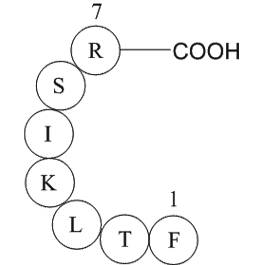
This profound cell-type specificity of G9a/GLP complex modulation of neuronal plasticity is accentuated by studies employing genetic ablation of G9a in dopamine 1 receptor (Drd1)- and dopamine 2 receptor (Drd2)-expressing medium spiny neurons (MSNs) in the nucleus accumbens (NAc). Conditional G9a kn
-
br References and recommended reading Papers of particular i
2022-01-17
References and recommended reading Papers of particular interest, published within the period of review, have been highlighted as: Introduction Male sexual maturation includes gonadal maturation, secondary sexual characteristics, and the attainment of reproductive capacity [1]. Male sexual di
-
So studies are currently in progress
2022-01-17
So, studies are currently in progress to design drugs which could inhibit the main crosstalk components between interacting key pathways (Fig. 1). Wnt The Wnt family consists of 19 highly conserved glycoproteins serving as ligands which bind to the G-protein coupled 7-pass transmembrane receptor
-
There are five main research
2022-01-17
There are five main research findings regarding possible mechanisms of low-level HBsAg expression: Most of these findings are related to the use of antiviral therapy, which results in pre-S/S gene mutations, the development of occult hepatitis, the use of immunosuppressants or S gene methylation, b
-
Glutathione transferases GST have been
2022-01-17
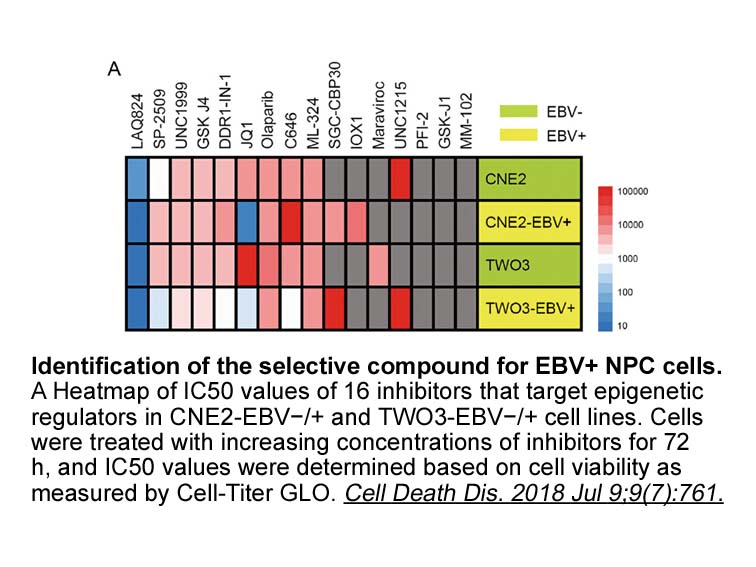
Glutathione transferases (GST) have been discovered in many tissues including the cornea of humans and several other mammals (Awasthi et al., 1980, Bilgihan et al., 2003; Gondhowiardjo and van Haeringen, 1993; Saneto et al., 1982, Sastry et al., 1995, Singh et al., 1985, Watkins et al., 1991). To da
-
In the present study we observed a decrease
2022-01-17
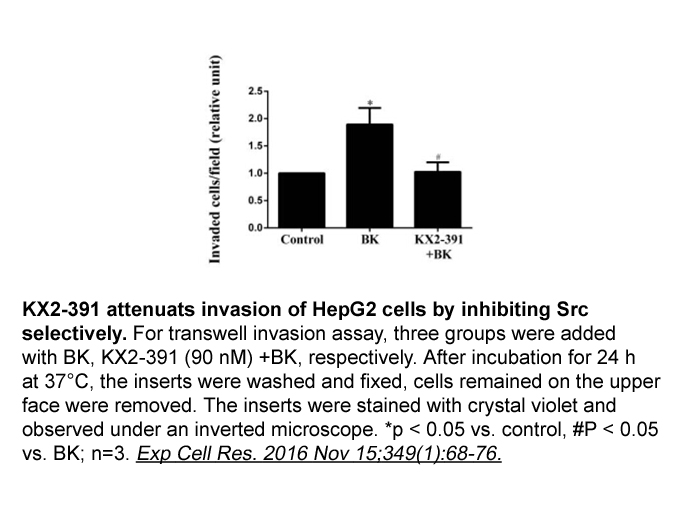
In the present study, we observed a decrease in body weight gain in Tg rats. It is uncertain whether this effect is due to Denr, Gpr81, or Gpr109a. In this regard, Gpr81 mice have been reported to have reduced body weight gain [28]. Moreover, a small clinical study has reported that obese patients t
-
We did however observe that niacin treatment impaired DC acc
2022-01-17
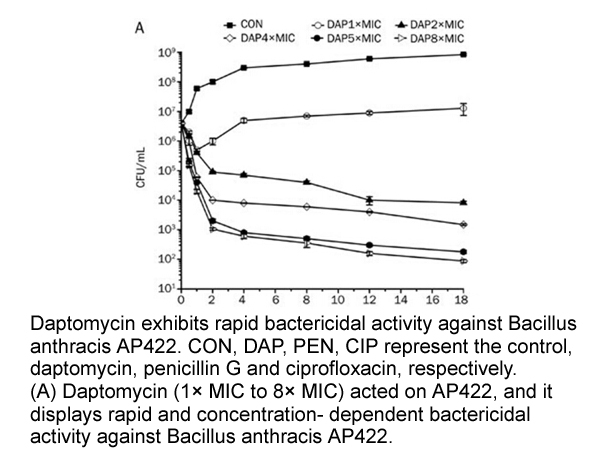
We did, however, observe that niacin treatment impaired DC accumulation in skin-draining lymph nodes (Fig. 2). Attenuated adaptive immunity, assessed using a contact hypersensitivity assay (Fig. 4), was observed, as would be expected from impaired DC accumulation in lymph nodes, though other mechani
-
br Discussion Naloxone and CTAP
2022-01-17
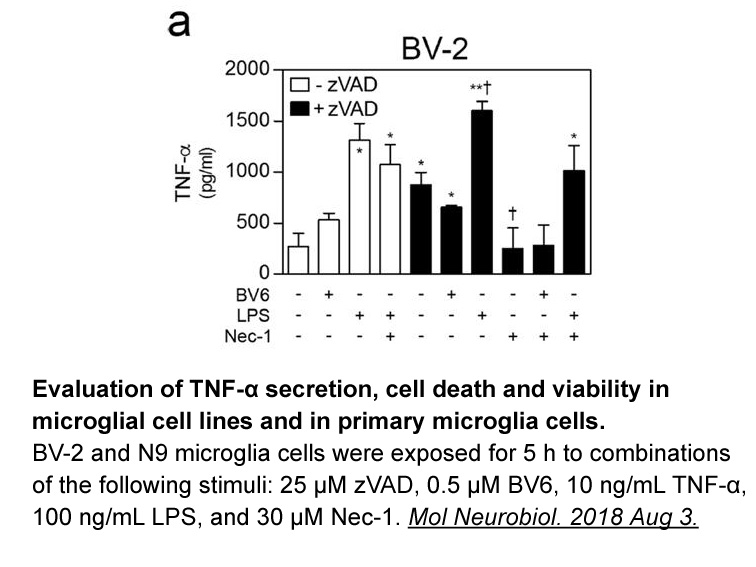
Discussion Naloxone and CTAP were able to alter the febrile response induced by gp120. This effect was particularly evident during the initial hours following gp120 administration (90–210min). We also investigated the potential role of the delta-2 opioid receptor in gp120-induced fever. The delta
-
Our exploration of Domain focused on the
2022-01-17
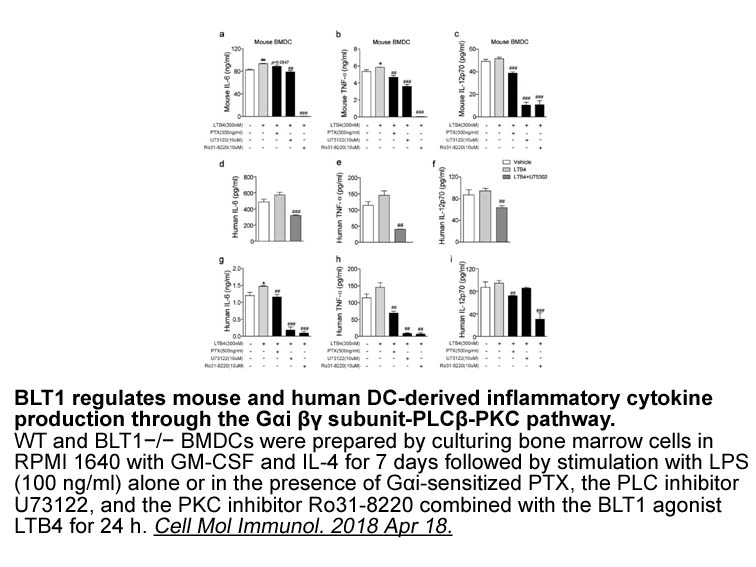
Our exploration of Domain 1 focused on the role of the carbonyl linker in (). We found that replacement of this group by a methylene unit as in or direct attachment of the thiophene ring to the central aromatic core as in did not significantly impact potency. The thiophene ring in could be repla
-
The structure and activity of
2022-01-17
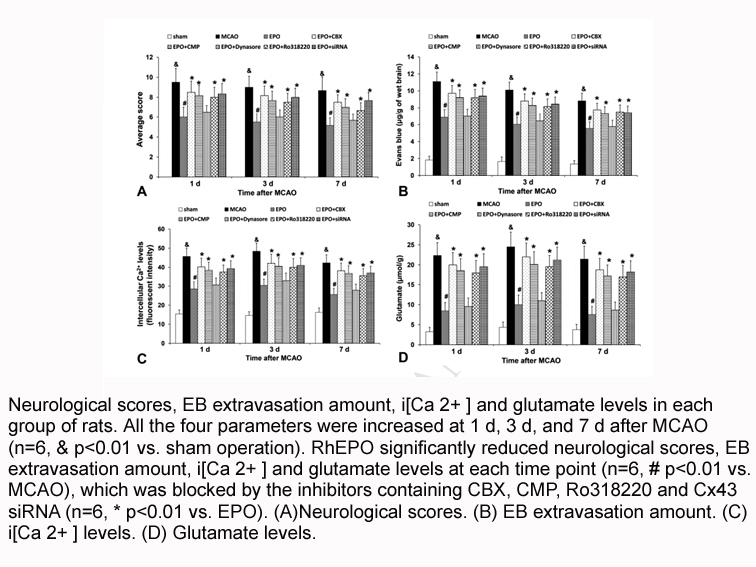
The structure and activity of GLUT1 has been most intensively studied in erythrocytes, in which this transporter makes up 10–20% of membrane protein content. Carruthers has shown that, while GLUT1 can exist and transport glucose as monomers, dimers and tetramers, in erythrocytes GLUT1 exists predomi
-
Indeed our immunohistochemical analysis of
2022-01-17
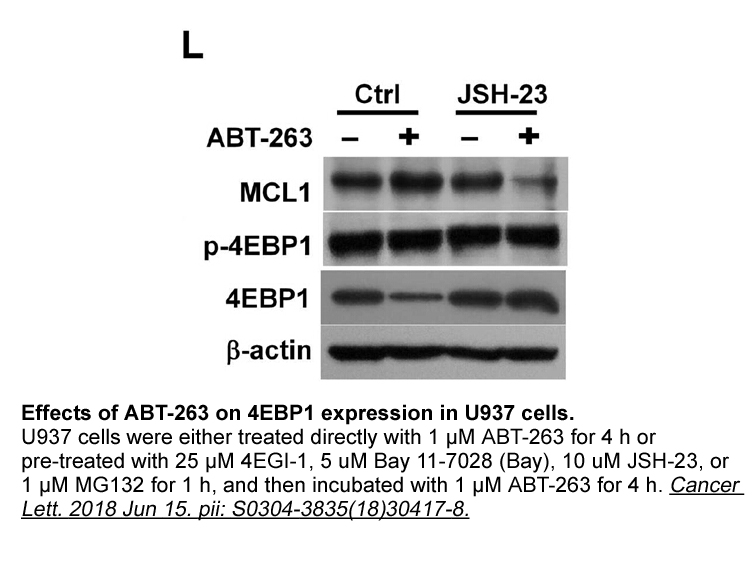
Indeed, our immunohistochemical analysis of skin tissue samples without any pathology confirmed the expression of MR and GR. Extending earlier findings in rats (Shaqura et al., 2016a, Shaqura et al., 2016b), we demonstrate here that MR mainly colocalize with the nociceptive neuronal marker CGRP sugg
8658 records 568/578 page Previous Next First page 上5页 566567568569570 下5页 Last page