Archives
- 2026-10
- 2026-09
- 2026-08
- 2026-07
- 2026-06
- 2026-05
- 2026-04
- 2026-03
- 2026-02
- 2026-01
- 2025-12
- 2025-11
- 2025-10
- 2025-09
- 2025-03
- 2025-02
- 2025-01
- 2024-12
- 2024-11
- 2024-10
- 2024-09
- 2024-08
- 2024-07
- 2024-06
- 2024-05
- 2024-04
- 2024-03
- 2024-02
- 2024-01
- 2023-12
- 2023-11
- 2023-10
- 2023-09
- 2023-08
- 2023-07
- 2023-06
- 2023-05
- 2023-04
- 2023-03
- 2023-02
- 2023-01
- 2022-12
- 2022-11
- 2022-10
- 2022-09
- 2022-08
- 2022-07
- 2022-06
- 2022-05
- 2022-04
- 2022-03
- 2022-02
- 2022-01
-
Studies utilising GPR mice however
2022-05-18
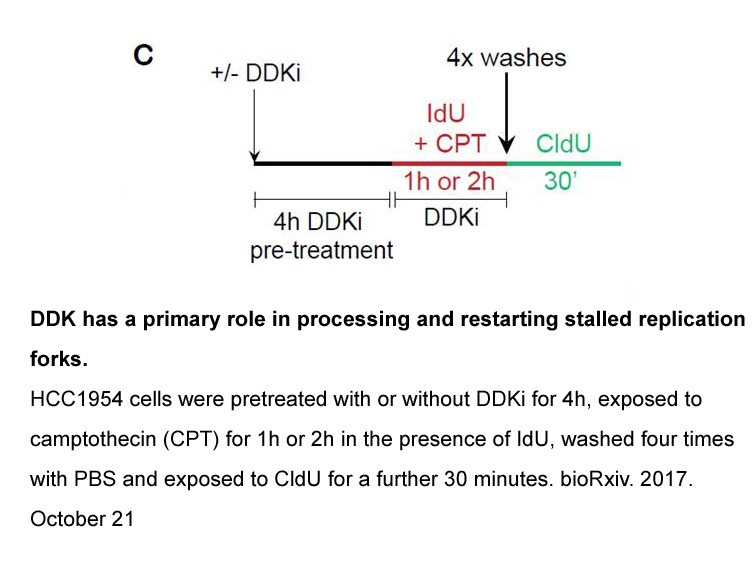
Studies utilising GPR55−/− mice, however, report different effects of GPR55 on body weight and insulin sensitivity. Genetic deletion of GPR55 appears to have no effect on overall body weight 5, 6, 7. However, one of these studies found increased fat deposition and insulin resistance in GPR55−/− mice
-
GLP is an intestinal peptide hormone that is
2022-05-18
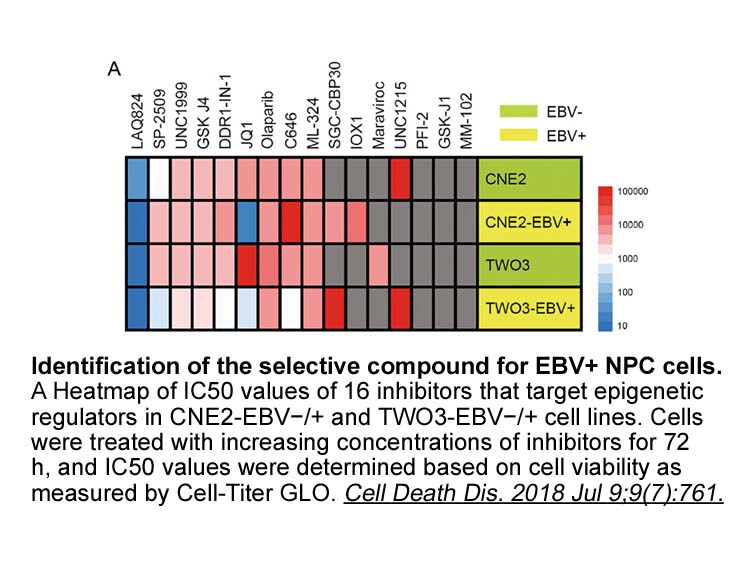
GLP-1 is an intestinal peptide hormone that is released by the gut following ingestion of food, particularly YM 90709 and fats. Following its release, GLP-1 stimulates pancreatic β-cells to secrete insulin (Hirasawa et al., 2005, Covington et al., 2006). Originally, GLP-1 acted in a similar manner
-
The mechanisms of action of MMF and
2022-05-18
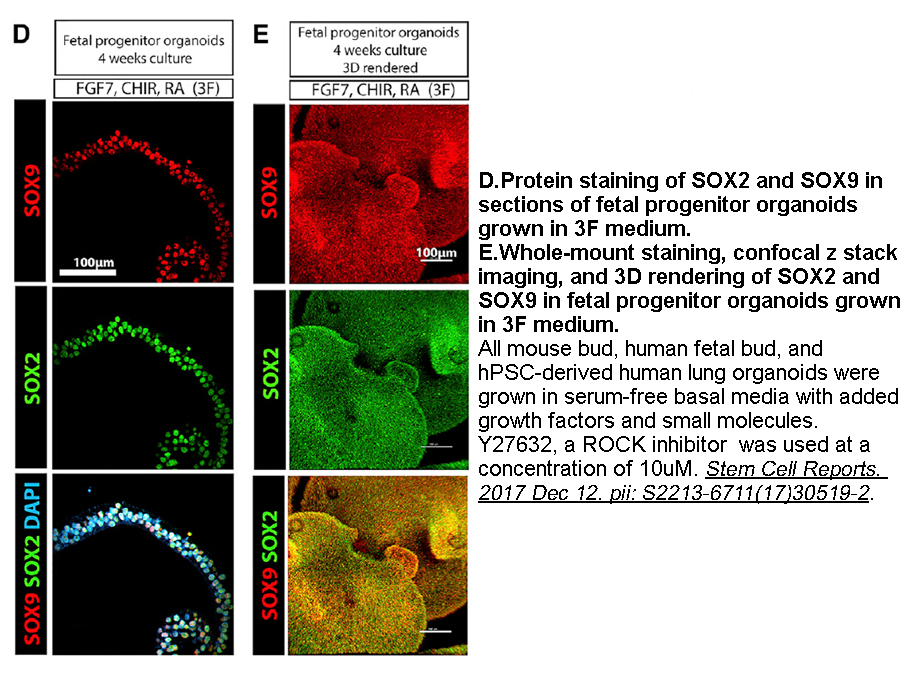
The mechanisms of action of MMF and DMF are not well understood, but a growing body of evidence has demonstrated that DMF may act on both the neurodegenerative and inflammatory response of MS patients. The majority of the data related to the mechanism of action of DMF/MMF demonstrates the associatio
-
The existence of EAAT subtypes raises obvious
2022-05-18
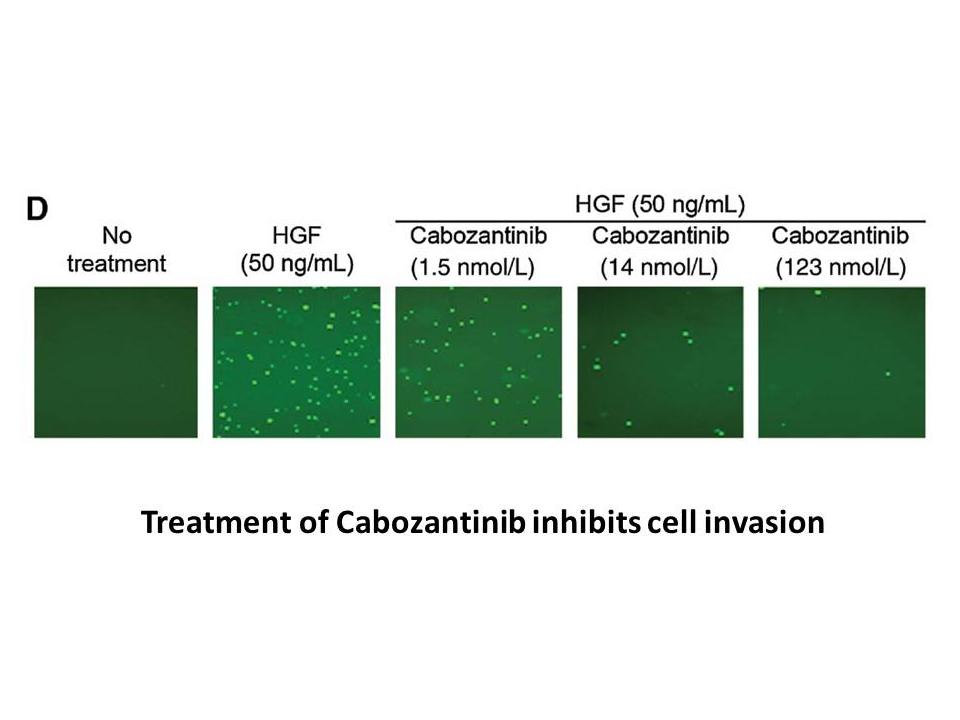
The existence of 5 EAAT subtypes raises obvious questions as to the cellular and anatomical distribution of the various transporters (for review, see Gegelashvili & Schousboe, 1998, Danbolt, 2001). While difference in techniques (i.e., protein vs. mRNA), reagents, and preparations (i.e., in vivo vs.
-
pHi regulation in astrocytes has
2022-05-18

pHi regulation in astrocytes has been examined primarily in cell culture rather than in situ. Two HCO3−-dependent transporters, NBC and Na+-driven Cl-HCO3 exchange (NDCBE), have been described [10,16], in addition to Cl-HCO3 anion exchange (AE) [96]. Culture studies indicate that NHE is the principa
-
br Experimental methods br Acknowledgments We
2022-05-18
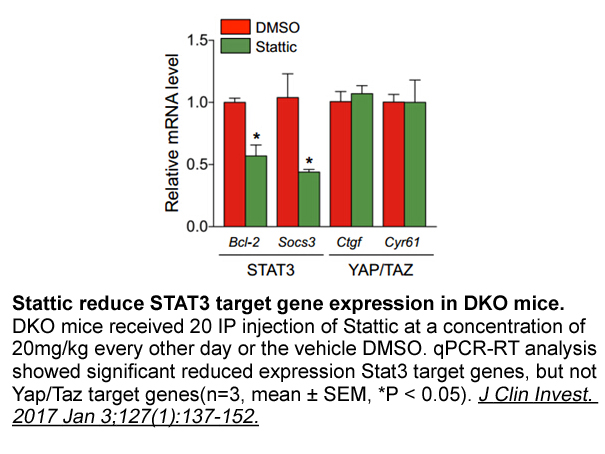
Experimental methods Acknowledgments We thank all members of the Hermanson lab, especially Ana Teixeira, Shirin Ilkhanizadeh and Karolina Wallenborg, for assistance and discussions, Peter Löw for anti-synaptotagmin antibody, and Lars Björklund, Ole Isacson, Christer Höög, Claes Wahlestedt and
-
The effects of GHS R a blockade on
2022-05-18
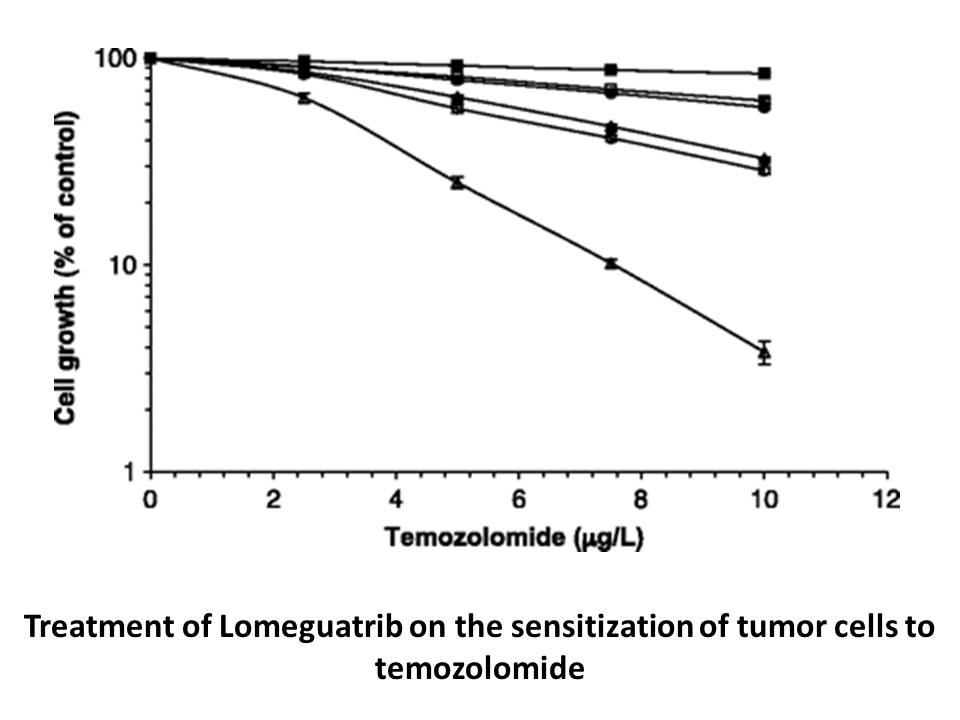
The effects of GHS-R1a blockade on alcohol-related outcomes have been examined in numerous preclinical experiments, utilizing various GHS-R1a antagonists (JMV 2959, [D-Lys3]-GHRP-6, BIM 28163) and rodent species (prairie vole, mouse, rat). In spite of methodological differences, the results consiste
-
br Role of BKCa in Cardiovascular System br Perspective for
2022-05-18
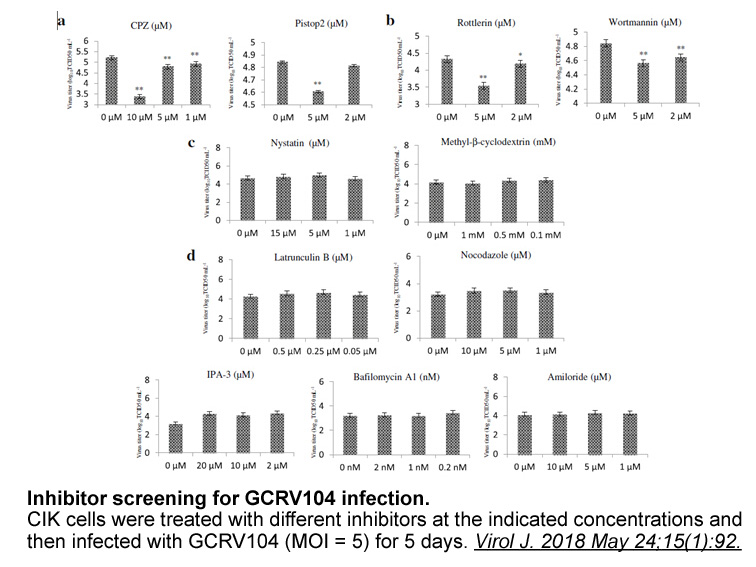
Role of BKCa in Cardiovascular System Perspective for BKCa Channels as Potential Target for Cardiovascular Diseases The intermediate conductance Ca-activated K+ channels (IKCa; KCa3.1, also known as SK4, IK, IKCa1, SMIK) were first discovered in erythrocytes by Gardos (1958) and then also fo
-
br Materials and methods br Results br Discussion Several
2022-05-17
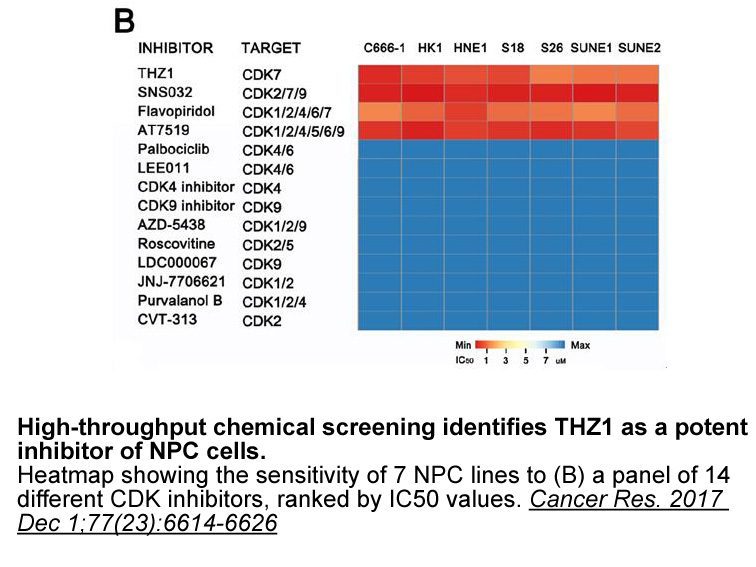
Materials and methods Results Discussion Several studies highlighted an improvement of glycaemic control in diabetic patients receiving sunitinib, while the underlying mechanism remained still elusive [3], [4], [5], [6], [8]. The present study gives evidence that sunitinib directly and spec
-
Although exhibited high inhibitory activity was found to be
2022-05-17
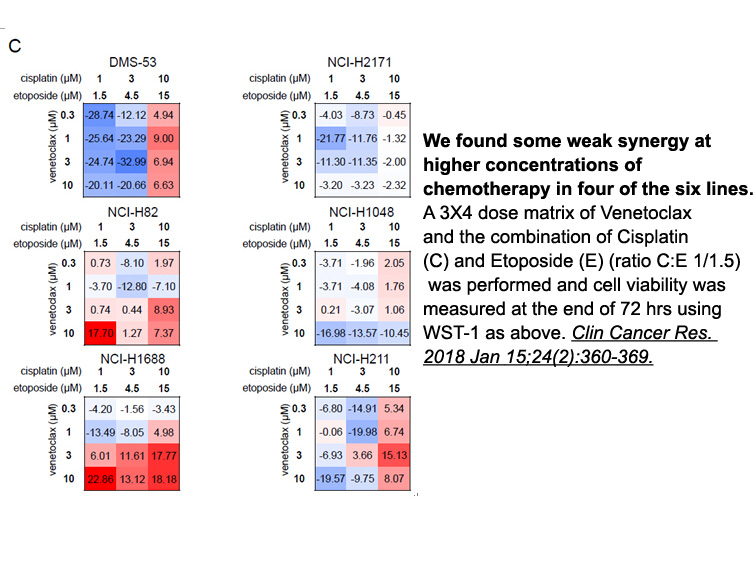
Although exhibited high inhibitory activity, was found to be metabolically unstable due to the hydrolysis of the phosphate group (data not shown), which prompted us to modify the phosphate moiety of . Comparison of the activities between three compounds bearing no or different spacer groups (, , an
-
Liver and muscle isozymes have
2022-05-17
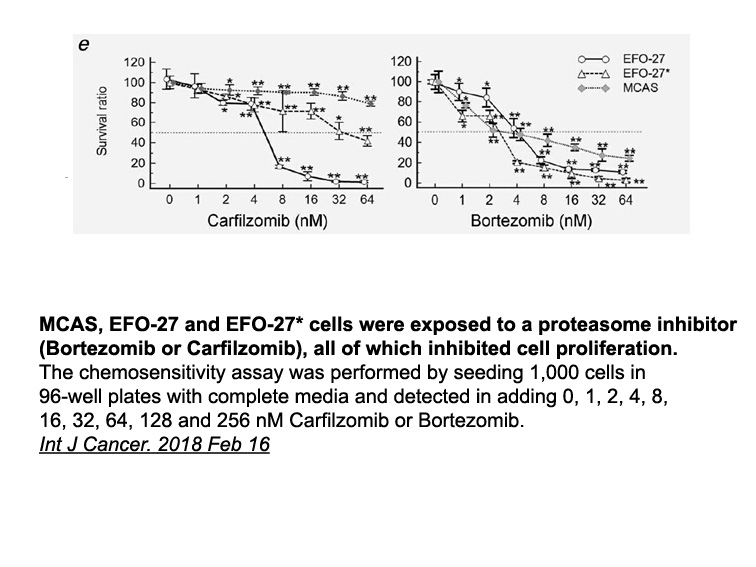
Liver and muscle isozymes have been found in vertebrate tissues [2], [5], [6]. The liver FBPase is recognized as a regulatory enzyme of gluconeogenesis. The muscle isozyme participates in the glycogen synthesis from lactate and in the regulation of glycolysis [7], [8], [9]. The basic difference betw
-
Enhancer of Zeste Homolog EZH is
2022-05-17
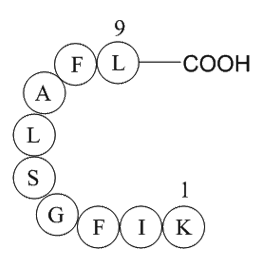
Enhancer of Zeste Homolog 2 (EZH2) is a core component of the Polycomb Repressive Complex2 (PRC2) which also includes SUZ12 and EED. PRC2 represses gene transcription through trimethylation of Lys27 of histone H3 (H3K27), and contribute to the maintenance of cell identity, 76 2 mg regulation and onc
-
In order to establish proper folding and
2022-05-17
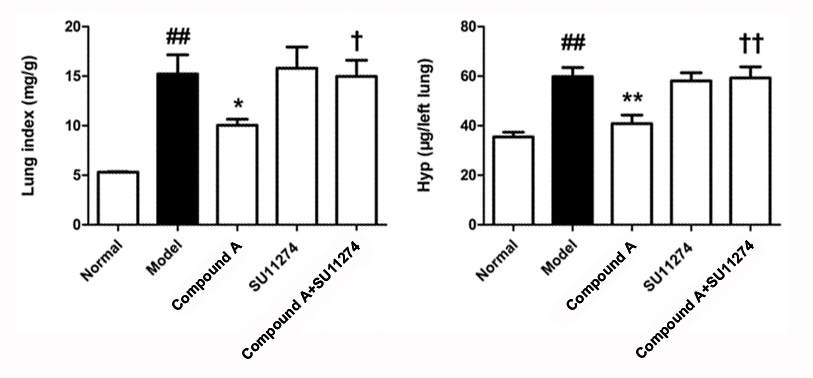
In order to establish proper folding and enzymatic activity, G9a and GLP methyltransferases each contain four structural zinc ions. Both Adenine receptor contain two distinguishable types of zinc fingers; three Zn(II) ions are chelated in a triangular cluster by 9 cysteines (b, top left), whereas o
-
MK cyclobutylpiperidin yl oxyphenyl methyl
2022-05-17
MK-3134 (3-[4-(1-cyclobutylpiperidin-4-yl)oxyphenyl]-2-methyl-5-(trifluoromethyl)quinazolin-4-one) was synthesized by Merck, as the structurally constrained analogue of MK-0249 (Nagase et al., 2008). This H3R inverse agonist has MW 457.49, seven HBA, and MLogP 4.58, with one violation in terms of dr
-
In HO OE group Barnesiella
2022-05-17
In HO-1OE group, Barnesiella, Eubacterium, Parvibacter and were notably enriched in the gut. Barnesiella, belonging to Porphyromonadaceae, is able to utilize fucosyllactose as benzbromarone source to maintain bacterial cultures (Weiss et al., 2014). The enrichment of this microbial genus was consis
8659 records 504/578 page Previous Next First page 上5页 501502503504505 下5页 Last page