Archives
- 2026-10
- 2026-09
- 2026-08
- 2026-07
- 2026-06
- 2026-05
- 2026-04
- 2026-03
- 2026-02
- 2026-01
- 2025-12
- 2025-11
- 2025-10
- 2025-09
- 2025-03
- 2025-02
- 2025-01
- 2024-12
- 2024-11
- 2024-10
- 2024-09
- 2024-08
- 2024-07
- 2024-06
- 2024-05
- 2024-04
- 2024-03
- 2024-02
- 2024-01
- 2023-12
- 2023-11
- 2023-10
- 2023-09
- 2023-08
- 2023-07
- 2023-06
- 2023-05
- 2023-04
- 2023-03
- 2023-02
- 2023-01
- 2022-12
- 2022-11
- 2022-10
- 2022-09
- 2022-08
- 2022-07
- 2022-06
- 2022-05
- 2022-04
- 2022-03
- 2022-02
- 2022-01
-
Previously we reported that EL
2023-01-04
Previously, we reported that EL-Kras mice-fed diets rich in omega-6 FAs demonstrated increased pancreatic mast cell infiltration [16]. Significantly, increased infiltration of mast cells into the tumor microenvironment correlates with a poor prognosis [15]. Soucek et al.[25] demonstrated that mast c
-
molarity to grams DRiPs also contribute to formation of
2023-01-04
DRiPs also contribute to formation of protein molarity to grams that result from dysregulation of proteostasis, during which the proteolytic machinery is unable to process and degrade defective proteins (Tyedmers et al., 2010). Aggregation of poly-ubiquitinated proteins has been observed in differen
-
In liver the essential organ of lipoprotein synthesis ACL
2023-01-04
In liver, the essential organ of lipoprotein synthesis, ACL plays a fundamental role in lipogenesis and steroidogenesis by supplying cytosolic IL-4, murine recombinant receptor to both pathways. By using a tricarboxylic acid cycle intermediate (citrate) to produce acetyl CoA, ACL can be seen as an
-
Apelin is a peptide hormone and an endogenous
2023-01-04
Apelin is a peptide hormone and an endogenous ligand for a G protein-coupled receptor named APJ [7], [8], and apelin and APJ are widely expressed in human organs including hypothalamus, heart, lungs, kidneys, adipose tissue, muscles, and others [9]. Apelin is initially synthesized as a 77-amino-acid
-
In a human intervention study blood GSH levels
2023-01-04

In a human intervention study, blood GSH levels were evaluated over 6 wk in 18 male participants subjected to strenuous aerobic training and a dietary supplement of 1 g of WPI/kg of body mass per day. Blood GSH levels were significantly lower in those subjects who performed exercise that those who d
-
br Economics consequences of antibiotic resistance in a
2023-01-04
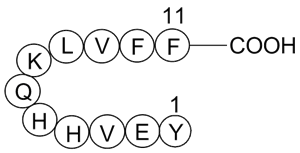
Economics consequences of antibiotic resistance in a SICU In the era of cost-containment, surgeons also need to consider the economic impact of antibiotic resistance in the surgical patient. Antibiotic-resistant infections are more difficult to treat, are more costly and more likely to be fatal t
-
Recent results suggest that TARPs are not
2023-01-04
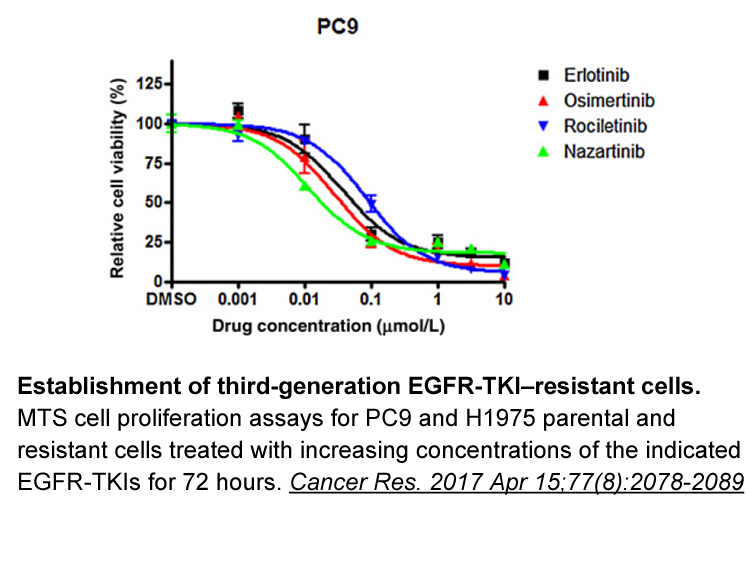
Recent results suggest that TARPs are not the only auxiliary AMPAR subunits. Using a proteomic strategy (affinity purification of native AMPAR complexes followed by mass-spectrometric analysis), cornichon-related proteins (CNIHs) have been recently identified as components of the AMPAR protein micro
-
br Results The newly synthesized
2023-01-04
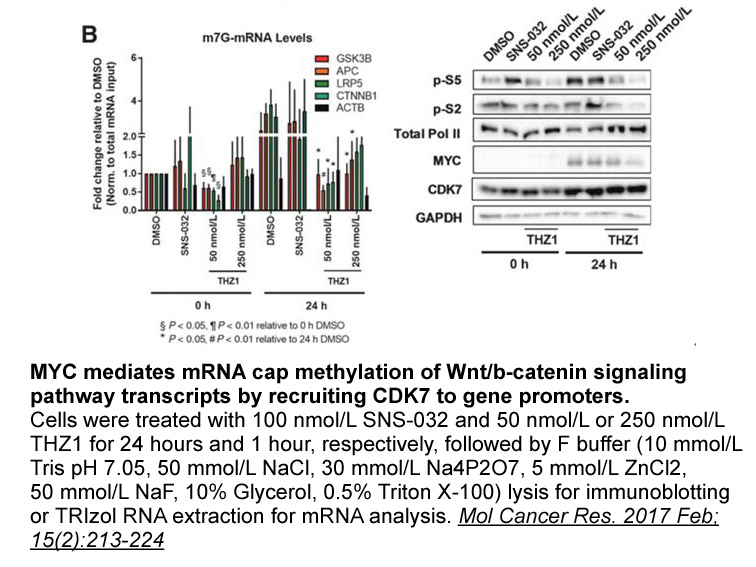
Results The newly synthesized leucine ureido derivatives were firstly evaluated for their enzymatic inhibition using porcine kidney APN (Microsomal, Biocol) with bestatin as the positive control (Table 1). One isoleucine ureido derivative 14 and phenylglycine ureido derivative 15 were also synthe
-
hexokinase inhibitor The rescue of the behavioral deficit wa
2023-01-04
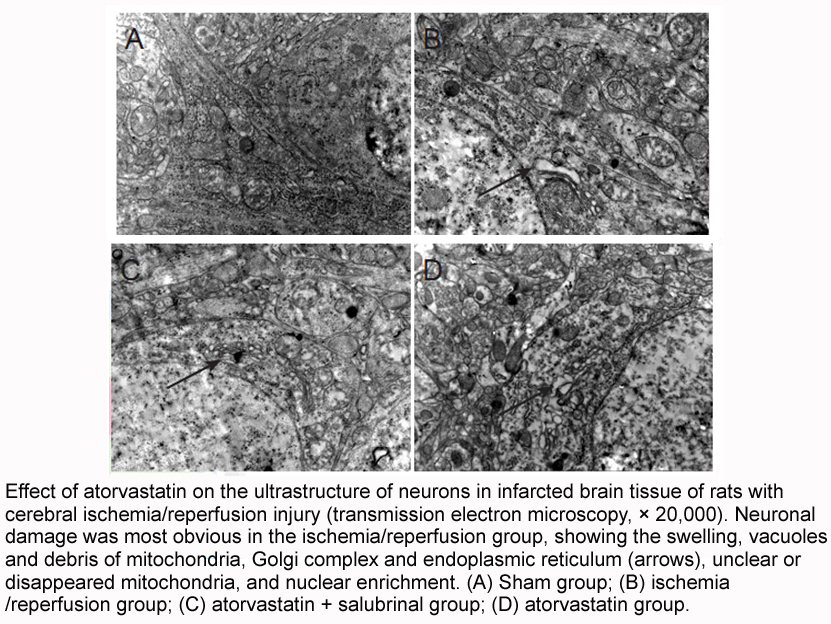
The rescue of the behavioral deficit was associated with a significant reduction in the levels of both soluble and insoluble Aβ peptides and their deposition in the hexokinase inhibitor of the same animals. In search for the mechanism behind the reduced amyloidosis, we assessed APP metabolism. Conf
-
br Animal models of NAFLD Human
2023-01-04
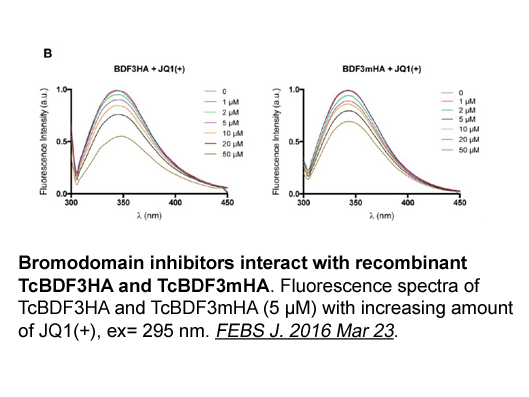
Animal models of NAFLD Human research has greatly shaped our understanding of non-alcoholic fatty liver disease, but several limitations exist in studying the disease processes in humans, such as variations in environmental exposure, pre-existing genetic risk factors, racial and ethnic difference
-
Modulating the ability of tumor cells to detoxify ROS is
2023-01-04

Modulating the ability of tumor endothelin receptor to detoxify ROS is a key mechanism by which cysteine metabolism affects tumor cell survival. One study observed hypermethylation of cysteine dioxygenase (CDO1) in 60% of tested breast cancer samples, leading to increased ROS detoxification and tumo
-
br Study approval br Author
2023-01-04
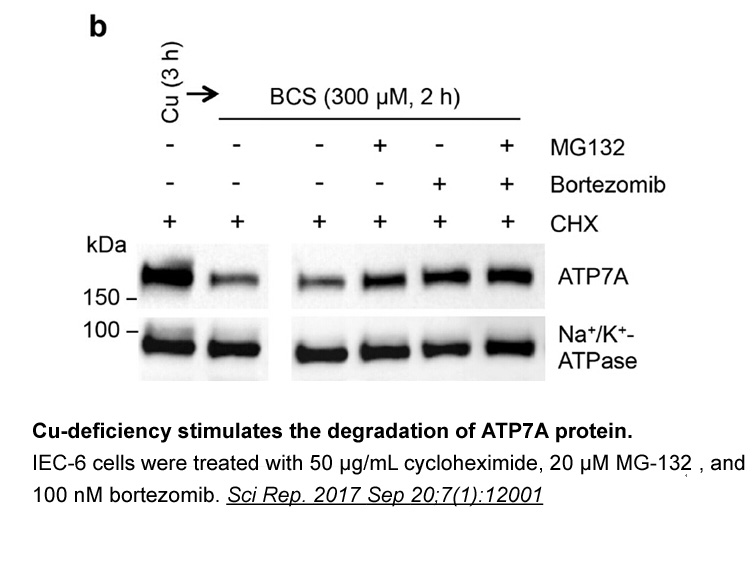
Study approval Author contributions Conflicts of interest Acknowledgements This work was supported by grants of the Youth Backbone Program (to Jianming Ying) of Cancer Hospital, CAMS, Beijing, Beijing Hope Run Special Fund of Cancer Foundation of China (LC2015A06) and the National Natura
-
In our previous study adiponectin system genes and
2023-01-04

In our previous study, adiponectin system (genes and proteins) expression in the porcine endometrium and myometrium was observed on Days 2 to 3, 10 to 12, 14 to 16, and 17 to 19 of the estrous cycle [23]. Adiponectin receptors expression (mRNA) in the porcine endometrium was described by Lord et al.
-
Renal Cell Carcinoma RCC is a
2023-01-02
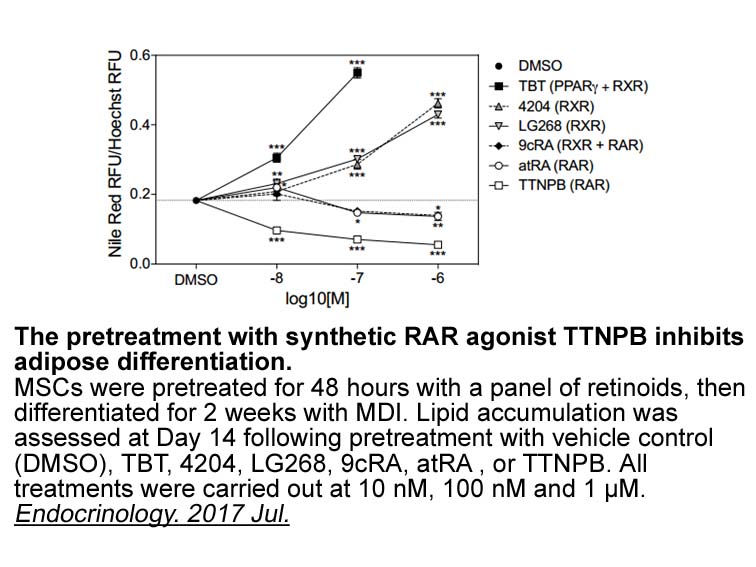
Renal Cell Carcinoma (RCC) is a lethal cancer with bad prognosis due to development of chemoresistance and recurrence of an aggressive tumor with increased tumor-angiogenesis and metastasis [7]. We have found Axl and Gas6 to be differentially presented in RCC subtypes, and Axl to correlate to tumor
-
br Acknowledgement This work was funded by NIH
2023-01-02
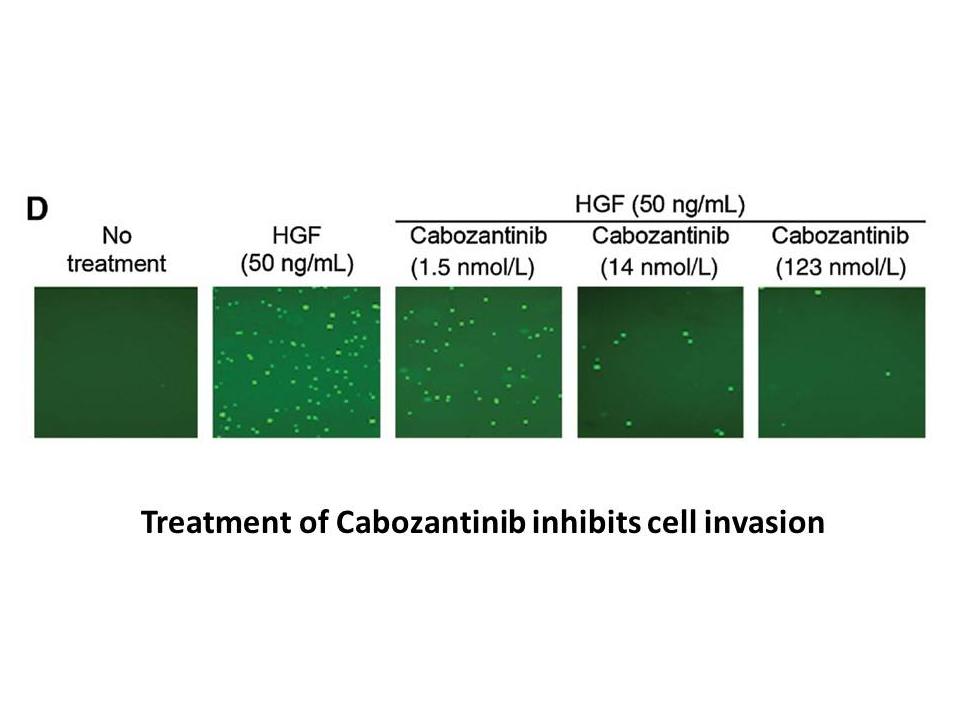
Acknowledgement This work was funded by NIH/NINDS grant number NS080967 to C. Waites. Introduction Macro-autophagy also called autophagy is a conserved pathway for the lysosomal degradation and recycling of intracellular materials. It is instrumental for the homeostasis of cells and tissues a
8659 records 412/578 page Previous Next First page 上5页 411412413414415 下5页 Last page