Archives
- 2026-10
- 2026-09
- 2026-08
- 2026-07
- 2026-06
- 2026-05
- 2026-04
- 2026-03
- 2026-02
- 2026-01
- 2025-12
- 2025-11
- 2025-10
- 2025-09
- 2025-03
- 2025-02
- 2025-01
- 2024-12
- 2024-11
- 2024-10
- 2024-09
- 2024-08
- 2024-07
- 2024-06
- 2024-05
- 2024-04
- 2024-03
- 2024-02
- 2024-01
- 2023-12
- 2023-11
- 2023-10
- 2023-09
- 2023-08
- 2023-07
- 2023-06
- 2023-05
- 2023-04
- 2023-03
- 2023-02
- 2023-01
- 2022-12
- 2022-11
- 2022-10
- 2022-09
- 2022-08
- 2022-07
- 2022-06
- 2022-05
- 2022-04
- 2022-03
- 2022-02
- 2022-01
-
Breast Cancer Although androgens have been considered
2024-03-14
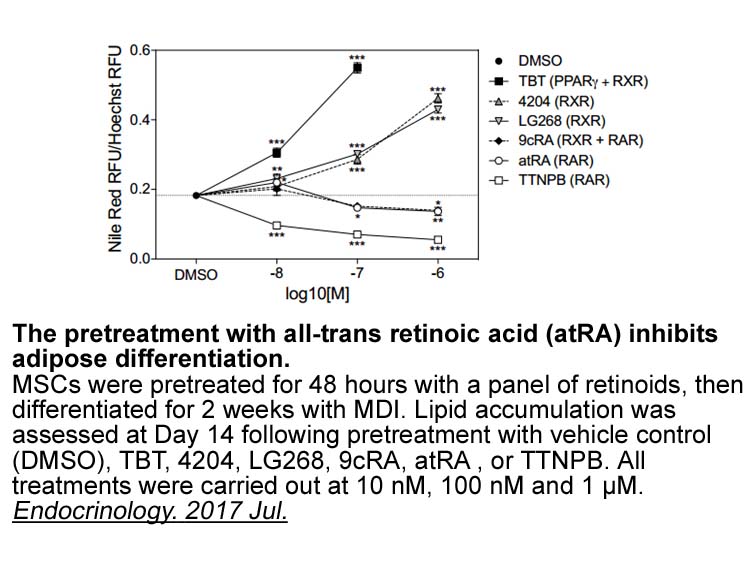
Breast Cancer: Although androgens have been considered to be a risk factor in prostate cancer they have been recommended to treat breast cancers. Even before the discovery of SERMs and aromatase inhibitors, steroidal androgens such as medroxyprogesterone and fluoxymesterone were used to treat breast
-
Perforation of the surface membrane however is
2024-03-14
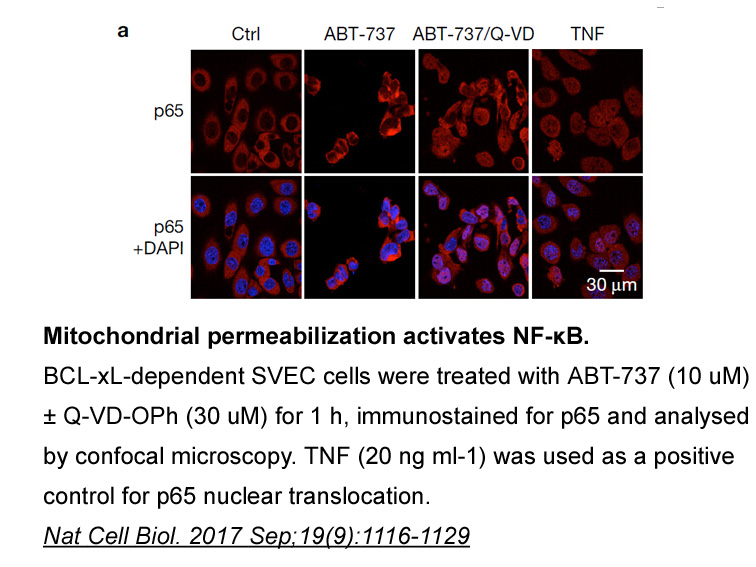
Perforation of the surface membrane, however, is not the only mechanism of calcium dysregulation by Aβ at the presynaptic terminals. When in excess, both monomers and oligomers modulate biophysical properties of voltage-activated calcium BX-795 as well as calcium release from the endoplasmic reticul
-
It remains to elucidate whether proteolytic
2024-03-14
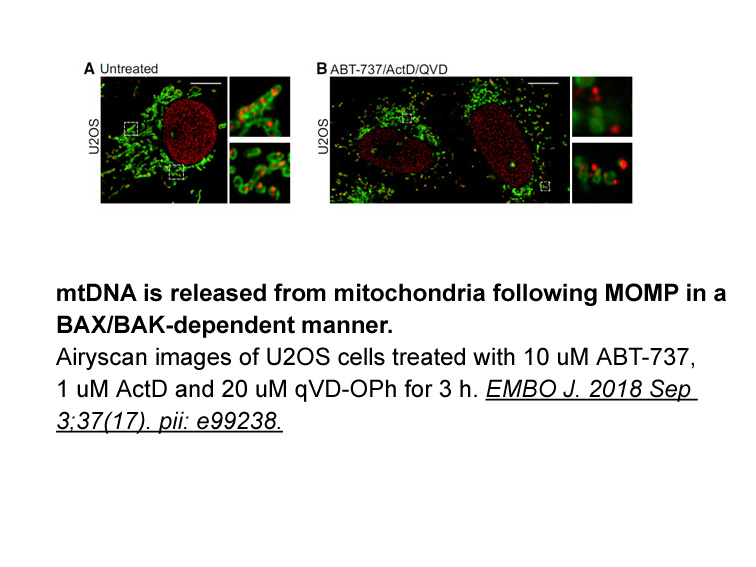
It remains to elucidate whether proteolytic activity is the cause or the consequence of changing levels of peptidergic substrates. In fact, in some cases, the expression of the enzyme does not necessarily parallel with its activity [26], [55], [57] and other factors such as a definite biochemical en
-
Exposure to B a P
2024-03-14

Exposure to B[a]P is an epidemiologically proven cause of lung cancer (Hecht, 2003; Rojas et al., 2004; Alexandrov et al., 2010), and the formation of B[a]PDE-N2-dG adducts is considered to be the critical event in lung tumorigenesis by B[a]P. On the other hand, there is evidence suggesting that the
-
When added to the culture medium extracellular ATP is
2024-03-14
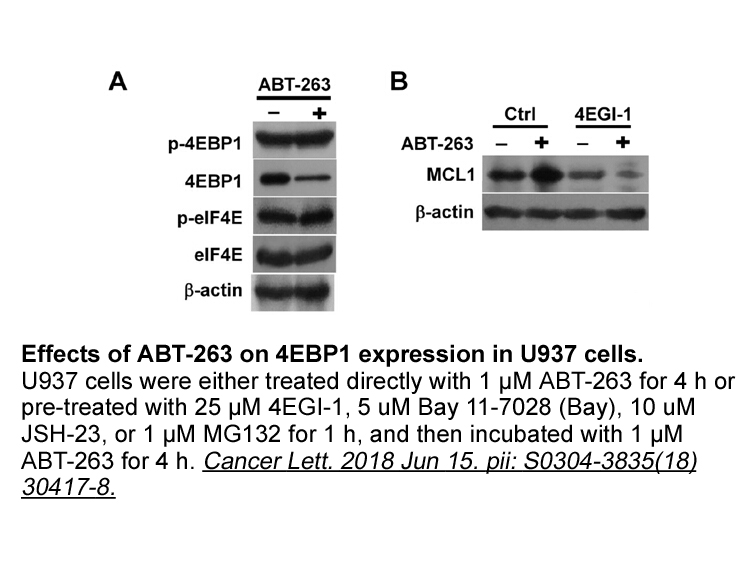
When added to the culture medium, extracellular ATP is metabolized into adenosine by ectonucleotidases, and ARs are then activated by adenosine with concentrations in the micromolar range [27]. However, our study showed that activation of ARs by exogenous adenosine could not induce the odontoblastic
-
Previous studies suggest that TGF
2024-03-14
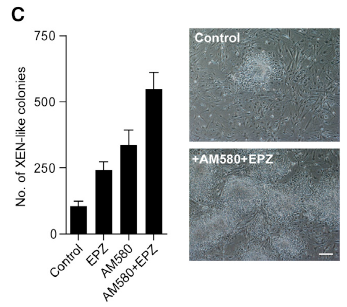
Previous studies suggest that TGF-β contributes to the pathogenesis of diabetic renal injury [47]. TGF-β stimulates matrix production and prevents matrix degradation, which leads to increase collagen deposition and glomerulosclerosis [48]. In the current study ABT702 significantly reduced renal coll
-
In the olfactory bulb expression was especially prominent in
2024-03-14
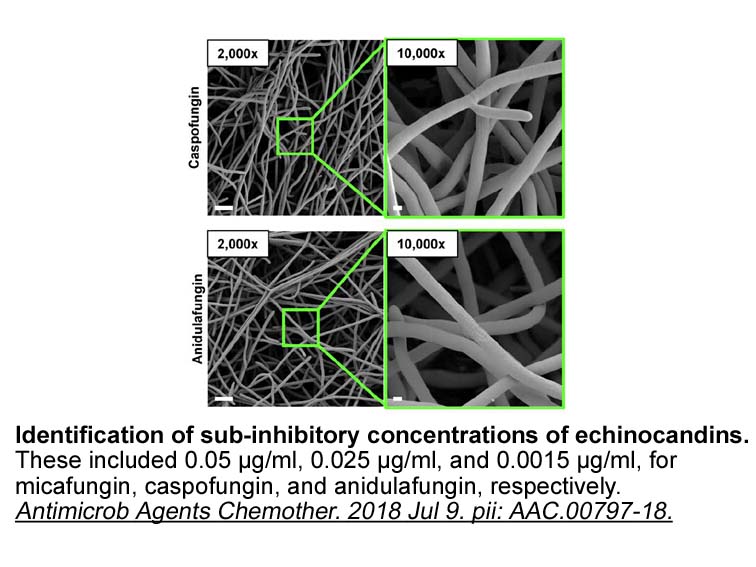
In the olfactory bulb, expression was especially prominent in the mitral cell layer from embryonic stages to adult tissues (Figs. 1D–G). By E14–E16, Ack1 signal was remarkably intense in the proliferative ventricular zone (Fig. 1D). From E18 to adult, expression was also observed in glomerular and g
-
Another significant group of reductase inhibitors is
2024-03-14

Another significant group of 5α-reductase inhibitors is the steroidal 3-carboxylic AEE788 derivatives (relevant examples in Fig. 5), which were designed to mimic the putative enzyme-bound enolate intermediate. This was achieved by introducing sp2-hybridized centers at C3 and C4 and an anionic carbo
-
Here we show that the co activation
2024-03-14

Here, we show that the co-activation of RTKs and non-RTKs is a common trait in treatment-naïve EGFR-mutation-positive NSCLC Sunitinib and patients, with AXL and CDCP1 being commonly over-expressed. The combination of gefitinib or osimertinib with the Src/FAK/Janus kinase 2 (JAK2) inhibitor TPX-0005
-
Along with the improvement of the
2024-03-13
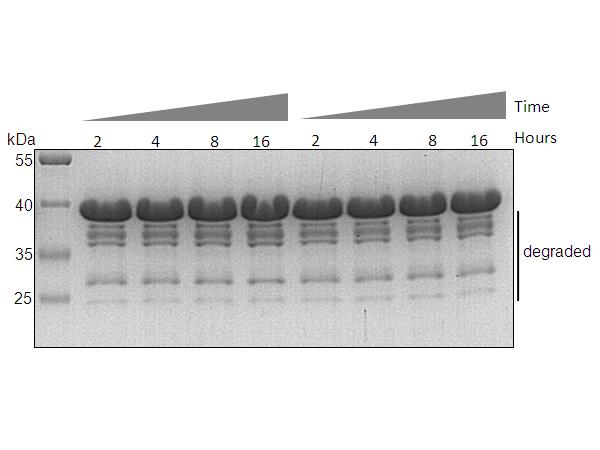
Along with the improvement of the cadmium transport from roots to aerial tissues, as is required for phytoremediation, over-expression of PtoHMA5 also led to the excessive accumulation of cadmium in leaves that was harmful to plant growth and physiological performance. Thus, detoxification of the he
-
imidazoline receptors A high throughput screening campaign
2024-03-13

A high-throughput screening campaign led to the discovery of the first series of both potent and selective ATR kinase inhibitors by Vertex Pharmaceuticals (Charrier et al., 2011). One of these compounds, VE-821, was shown to be a potent ATP-competitive inhibitor of ATR with minimal cross-reactivity
-
br Introduction Rhamdia quelen jundi Silurifomes Heptapterid
2024-03-13
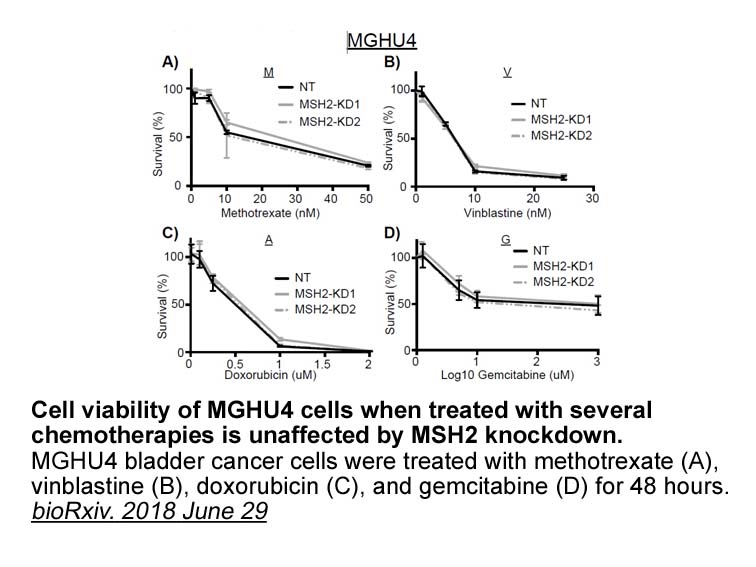
Introduction Rhamdia quelen (jundiá, Silurifomes, Heptapteridae) is a neotropical catfish widely distributed in Central and South America (Silfvergrip, 1996). This species shows high potential for the aquaculture industry, due to an elevated growth rate, good carcass yield, and easy reproduction
-
br Conflicts of interest br Introduction Arginase catalyzes
2024-03-13

Conflicts of interest Introduction Arginase catalyzes the reaction in which l-arginine is converted to l-ornithine and urea. In humans, two arginase isoenzymes have been identified, arginase 1 and arginase 2, that differ in cellular location and tissue distribution [1]. Both arginase enzymes a
-
hydroxychloroquine sulfate In a missense mutation at codon o
2024-03-13

In 1989, a missense mutation at codon 102 of the PRNP gene was first reported to be associated with GSS and, in 1991, the same mutation was also found in affected members of the “H” family (Hsiao et al., 1989; Kretzschmar et al., 1991). By 1995, the pedigree of the “H” family included 221 family mem
-
Another hypothesis is angiogenesis inhibition Angiogenesis i
2024-03-13
Another hypothesis is angiogenesis inhibition. Angiogenesis is a process that involves the growth, migration and differentiation of endothelial inhibitor of apoptosis to form new blood vessels. Angiogenesis favorably influences tumor growth and also influences tumor invasion of vessels, resulting i
8663 records 227/578 page Previous Next First page 上5页 226227228229230 下5页 Last page